
Apr 17 2026 | Insights
Digital Lean Insider Q2 2026: The Latest from Iter Digital
Welcome to the Digital Lean Insider
We’re excited to bring you the next edition of our newsletter – a space dedicated to sharing updates, insights, and success stories from across the Iter Digital community.
Each edition will keep you informed about our latest innovations, practical tips for getting the most from our solutions, and real-world examples of how organisations are using digital tools to drive operational efficiency.
Our goal is simple: to keep you connected, inspired, and equipped with the knowledge to make your digital transformation journey a success.
🚀 Launch Spotlight: Digital Andon
We’re excited to introduce the latest component of our Digital Lean Production System, Digital Andon, designed to bring real-time visibility and structured escalation to the shopfloor.
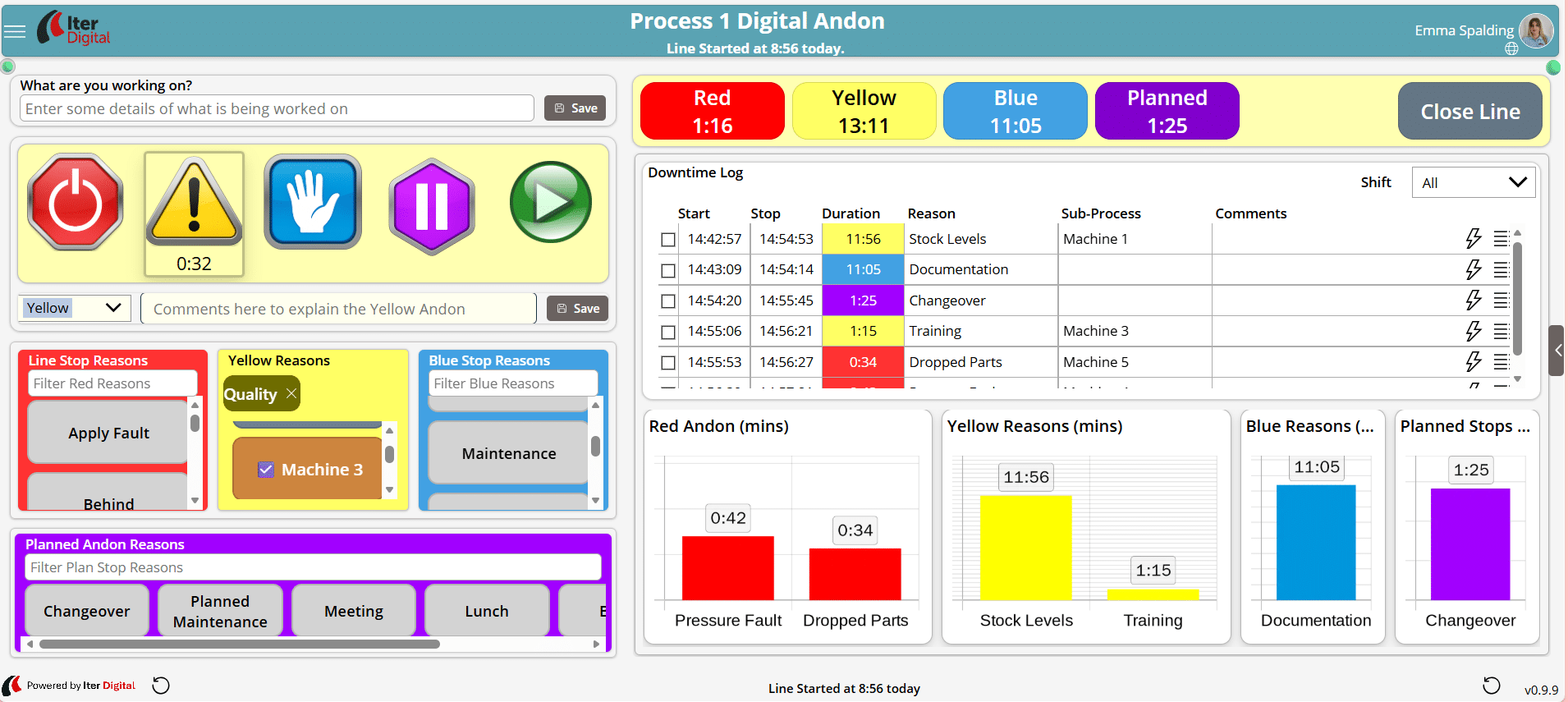
Operators can raise issues instantly, ensuring the right people are alerted and response begins without delay, without the need for dedicated hardware.
But the real value goes beyond speed. Over time, the data created through Andon activity begins to highlight patterns -where disruption occurs, how often, and how effectively it’s resolved. This creates a clearer picture of operational reality and helps teams prioritise improvement where it matters most.
Pro Tip: Don’t just focus on response times – review trends weekly. The biggest opportunities often sit in repeat issues, not one-offs.
💡 Feature: Getting More from Structured Problem Solving (SPS)
Structured Problem Solving (SPS) is often well understood in principle, but inconsistently applied in practice. The difference between organisations that “do SPS” and those that truly benefit from it is usually discipline and visibility.
At its core, SPS is about slowing down to solve problems properly: clearly defining the issue, validating root causes, implementing targeted actions, and confirming that the problem doesn’t return.
Where it becomes powerful is when it’s embedded into day-to-day operations – not treated as a standalone activity. When teams regularly review open problems, track progress, and share learning, SPS becomes less about firefighting and more about building capability.
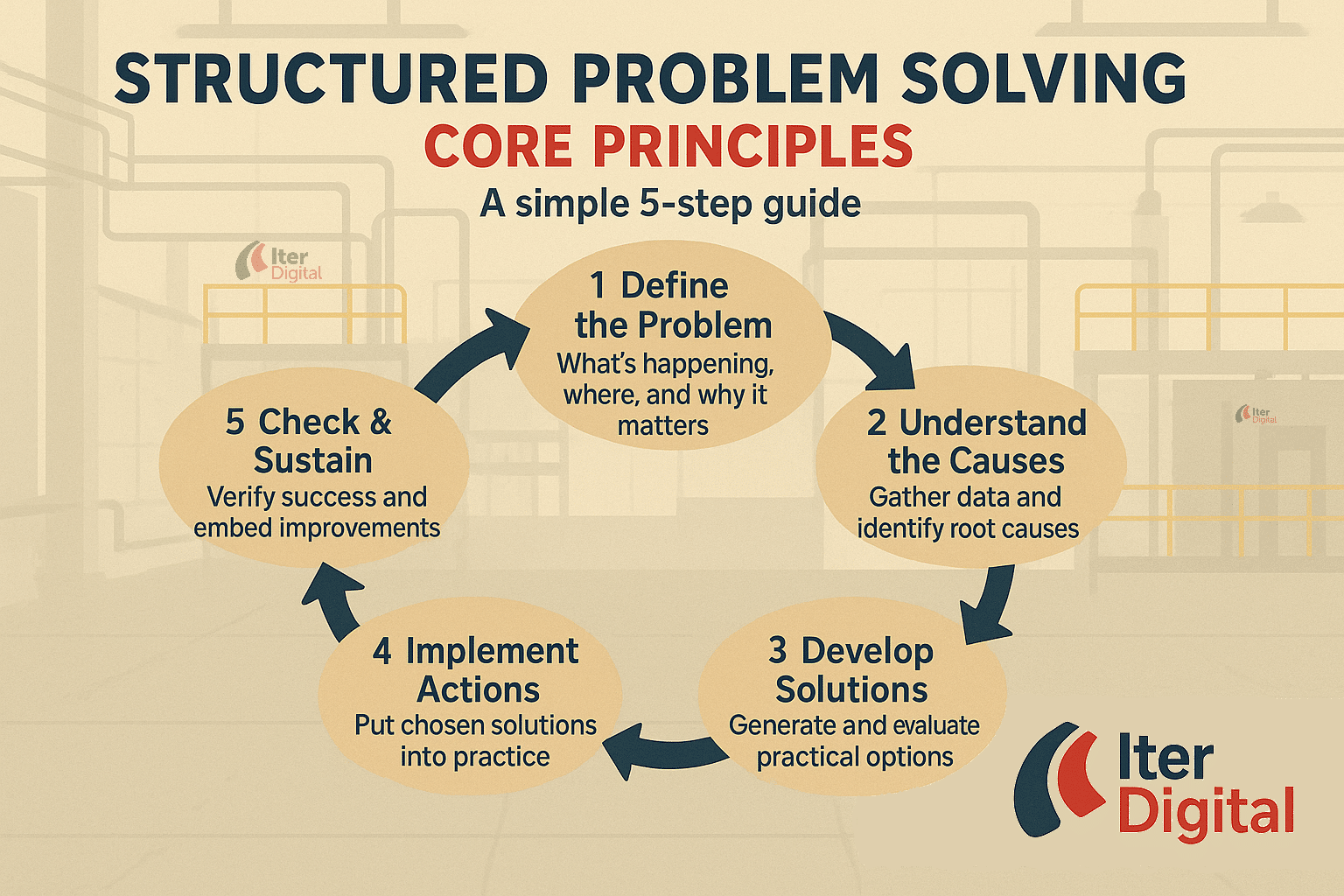
A common pattern we see is that recurring issues are rarely caused by a single factor. They often sit at the intersection of process, capability, and planning. SPS provides the structure to uncover that complexity and deal with it effectively.
📊 Insight: Seeing Capability Clearly
Operational performance is often discussed in terms of machines, materials, or methods – but capability is just as critical. Without clear visibility of who can do what, where flexibility exists, and where gaps remain, even well-designed processes can struggle.
Leading organisations are increasingly treating workforce visibility as a core operational input. Not just for planning shifts, but for:
- Supporting improvement activity
- Identifying where cross-skilling adds the most value
- Reducing reliance on individuals
- Creating more resilient teams
This is where the Skills and Manning app comes in, easily capture current skills and planned training, see where versatility risks exist and implement mitigations, use this information to plan manning assignments, clearly communicated with history available to support audits and investigations, all from one simple app.
Quick Insight: When capability is visible, decisions become easier. When it isn’t, problems tend to repeat.
📝 Leadership Focus: Leader Standard Work (LSW)
Consistency in leadership is one of the strongest predictors of sustained performance. Leader Standard Work (LSW) defines the structured activities leaders carry out to stay connected to operations and reinforce improvement.
Typical LSW activities include:
- Gemba walks to observe processes and engage with teams
- Audits and checks to confirm standards are being followed
- Action reviews to ensure improvement activity is progressing
- Coaching to develop team capability
- Reflection to step back, review trends, and assess whether actions are delivering the intended outcomes
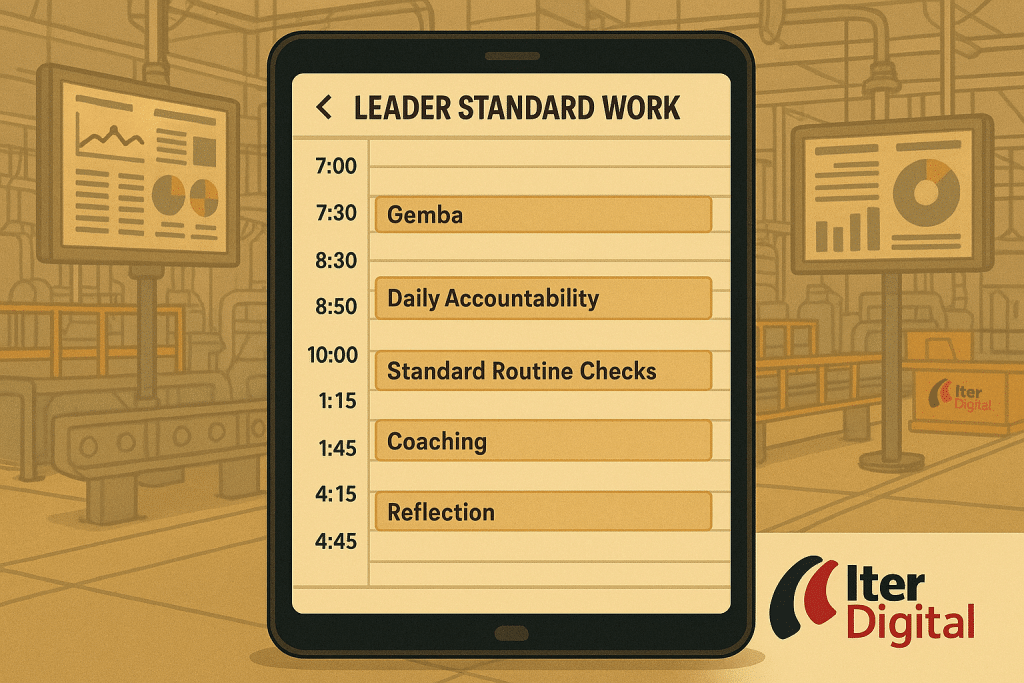
Reflection is often the missing piece. Without it, leadership becomes reactive – focused on what’s happening now. With it, leaders can identify patterns, challenge assumptions, and guide more effective decision-making.
Insight: LSW isn’t about adding more tasks – it’s about focusing attention on the activities that drive performance and improvement.
📚 In Practice: Joining the Dots
Across the organisations we work with, a consistent theme emerges: the real gains come when different elements of the operating model are connected.
In practice, this might look like:
- Issues are raised and made visible in real time
- Teams review performance regularly to identify trends
- More complex or recurring problems are worked through using a structured approach
- Capability is considered alongside process when making decisions
- Leaders reinforce all of the above through consistent routines
Individually, each of these elements adds value. Together, they create a system that is far more responsive, transparent, and effective.
💭 Reflection
Where is most of your time spent today – responding to issues, or understanding them?
Taking time to step back and review patterns, actions, and outcomes is often what separates short-term fixes from long-term improvement. Building this into leadership routines can shift the focus from reacting to learning.
📅 Event Highlight
Smart Manufacturing Week | NEC | 4–5 June
We’ll be there showcasing how a connected digital approach can support lean practices on the shopfloor. If you’re attending, come and see how organisations are bringing visibility, structure, and capability together in practice.
💬 Final Thought
Lean has always been about clarity – seeing problems, understanding them, and improving.
Digital doesn’t change that. It simply makes it easier to see, faster to act, and more effective to sustain.
At Iter Digital, that’s where we focus – helping organisations connect the pieces and build systems that support continuous improvement every day.